
Customers have more reasons to Switch!
Getting a customer to your brand is not the biggest challenge. Retaining them is getting them to come back, especially when competitors are offering similar products at similar prices. That is where the real work begins.
For years, brands have relied on discounts, cashback, and points to encourage repeat purchases. These incentives still matter, but they cannot sustain loyalty on their own. Today, customers expect relevant offers, greater convenience, and rewards they can genuinely use.
This is why it’s important to pay attention to Consumer Loyalty Trends 2026. Loyalty is now moving away from how many points a customer has collected and more about how a brand makes them feel at every stage of the buying journey.
Research from PwC’s 2025 The Customer Experience Survey found that 52% of surveyed consumers had stopped buying from a brand because of a bad product or service experience. It is a useful reminder that a reward cannot make up for a consistently poor experience.
For marketers, the opportunity now lies in rethinking what makes customers return. The brands that get it right will connect relevant rewards with convenient experiences and give customers genuine reasons to choose them again.
1. Customers want rewards that matter to them.
No two customers are the same, and so are their choices. Some look for savings on everyday purchases, while others prefer shopping vouchers, exclusive offers, or experiences they would not normally pay for.
Still, many loyalty programs are offering the same rewards to every customer of theirs, irrespective of their buying behavior or preferences.
This is where personalization makes the major difference. This was also supported in Deloitte Digital’s research on personalized loyalty rewards, where nearly three in four surveyed consumers wanted personalized loyalty program rewards.
For marketers, it means understanding what different customer groups value and using that understanding to make offers more relevant. It moves beyond just sending customers another promotional email.
For instance, a grocery brand could run a bonus point program on a customer’s frequent buying habits, while a fashion retailer brand could offer a gift card on the next purchase from its new collection. These small, frequent rewards then can encourage the customers to shop again.
The new change in consumer loyalty is not personalization for the sake of technology. It is making customers feel that the brand understands their needs.
2. Make Earning & Redeeming Rewards Easier
Imagine this scenario: you have been earning points for several months, just to find out that the procedure to redeem them again takes months plus several other steps. The reward might look attractive on paper, but the experience can leave customers frustrated.
This is why the brands need to focus on the entire reward journey, not only on what they are offering to their customers.
The redemption journey needs to be smooth so that the customers are able to understand three things without much effort.
- What they need to do?
- What will they receive?
- How can they use their rewards?
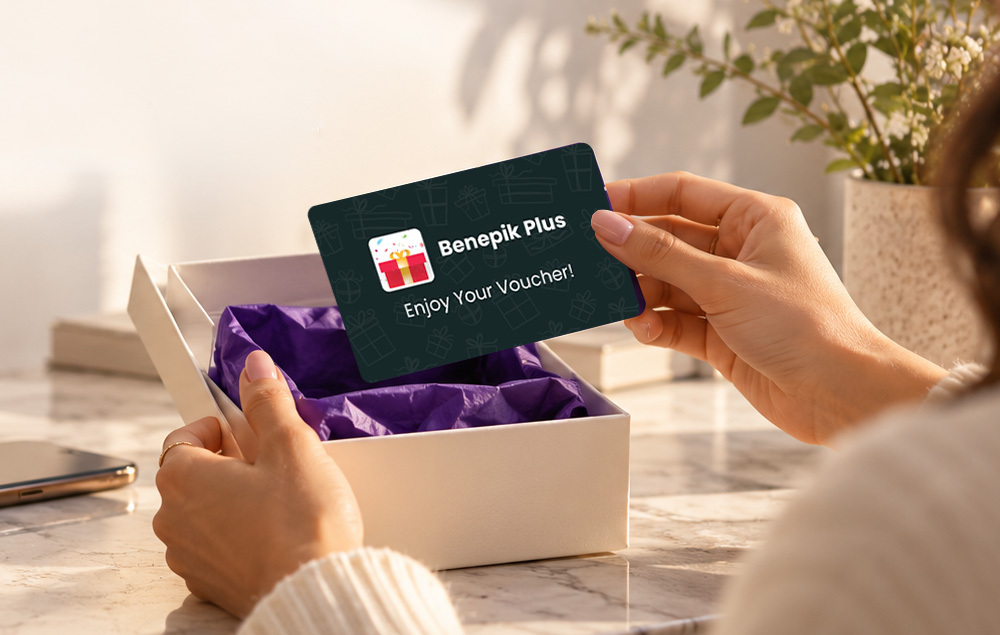
Gift cards, digital vouchers, instant cashbacks, and incentives can help simplify the entire process. For instance, an online retailer could offer a digital gift card after a qualifying purchase, allowing the customer to choose how to spend the value instead of being restricted to a single product.
Benepik helps in making the process easier by offering brands access to 500+ Gift Card brands across 20+ categories, giving recipients the flexibility in choosing their rewards.
For marketers, the takeaway is simple: a reward won’t have any impact if the customers struggle to claim it; they might also drop it in the middle. If you want to retain your customers, then you need to create an easy redemption experience, which can make participating in the loyalty program more appealing.
3. Digital Convenience Can Bring Customers Back
In the fast-moving e-commerce sphere, customers interact with brands across websites, mobile apps, messaging platforms, and physical stores too. They want the experiences across these interactions to feel more connected rather than separate experiences.
Customers will lose focus in seconds if a loyalty program requires them to navigate multiple pages, remember complicated rules, or contact support repeatedly to claim a reward.
Digital-first journeys can help in removing these barriers. Brands can use mobile-friendly reward journeys on apps like WhatsApp, digital gift cards, and timely nudges to make it easier for customers to participate.
A consumer brand could launch a festive loyalty campaign where customers earn cashback on purchases, redeem rewards through a digital platform, and receive personalized offers based on their shopping habits, encouraging them to shop again.
Do remember that convenience is not just about moving everything online. It’s about making each step easier, whether the customer is shopping in a store or browsing from home.
As marketers evaluate Consumer Loyalty Trends 2026, the focus should be on identifying where customers drop off and making those moments simpler. Better experiences often begin with removing small frustrations.
4. Give customers a reason to engage in between purchases.
A customer may buy from the brand once a month, once a quarter, or only during sale season. But how the brand is communicating with them, not just telling them about other discounts, makes the relationship better.
Gamification is one of the best ways to keep customers interested between purchases.
Quizzes, spin-and-win activities, challenges, and product discovery campaigns can also help in keeping the customer engaged with the brand without requiring them to do an immediate purchase.
For example, a beauty brand can run a skincare quiz with rewards upon completion, while a retailer could offer customers a chance to win vouchers through a pin-and-win game. These engagements make campaigns more interactive and give customers a reason to get involved with the brand beyond purchases.
The important part lies in connecting engagement to a clear goal. A quiz should help customers discover something useful for them, while a promotional game should offer a worthwhile experience.
This new change in consumer loyalty gives marketers more opportunities to build long-term interest in the brand beyond the checkout counter.
The aim is not to keep customers busy with endless notifications. It is to create interactions that feel enjoyable, relevant, and worth their time.
5. Discounts alone are not enough anymore.
Discounts do help in driving sales, particularly during competitive shopping periods. But when every brand on the counter is running the same discounts, it becomes hard to stand out.
There are also long-term concerns here. If customers learn to purchase only when a discount is available, brands may struggle to build consistent demand without sacrificing margins.
A stronger approach lies in combining these discounts with experiences that make customers feel valued.
These could include special birthday rewards, exclusive early access, tired journeys, milestone benefits, referral rewards, or personalized thank yous with rewards after a significant purchase.
For instance, a customer who has been shopping with a brand for several years could receive special benefits like gift cards, special salon passes, and entertainment gift vouchers, which helps in strengthening the relationship.
This does not mean abandoning promotional offers but using them in more thoughtful ways.
For marketers, the question should be, “Are we giving customers a reason to prefer our brand, or simply a reason to pay less today?”
The answer matters because consumer loyalty is built through repeated experiences, not just individual transactions. When customers consistently receive useful benefits and good service, the relationship has a better chance of lasting beyond the next sale.
6. Trust Is Part of the Journey
Personalization depends on customer information, but customers are also responsible when their information is being handled responsibly.
Spam messages, unclear terms, and excessive data collection can damage the relationship a brand is trying to build with its customers.
A loyalty program should make customers feel comfortable participating, not pressured into sharing more than they want to.
Salesforce’s State of the Connected Customer research also explores the changing customer expectations around personalization, trust, and the use of personal information.
Marketers need to apply these lessons by communicating the purpose of data collection clearly, respecting consent and making reward conditions easy to understand.
They need to also pay attention to the communication frequency. Sending bulk messages does not automatically create engagement. Relevant nudges at the right moment are more useful than repeated reminders that customers eventually learn to ignore.
The new change in consumer loyalty is as much about earning trust as it is about offering incentives. Customers need to feel confident about the brand before they have a reason to remain loyal to it.
7. Measure whether your loyalty program is working.
Registrations, points issued, and rewards distributed can tell marketers how much activity a program generates. They do not necessarily show whether customer behavior has changed.
A useful loyalty strategy starts with a business objective and measures progress against it.
If the goal is to encourage repeat purchases, then one needs to track how many customers return within a defined period. If the objective is to increase spending, measure the average transaction value. If the program is designed to improve engagement, look at participation and redemption rates.
Other useful metrics include customer retention, purchase frequency, customer lifetime value, and incremental revenue.
Where possible, compare the behaviour of customers who received an incentive with an appropriate comparison group. This can help marketers understand whether the campaign genuinely influenced purchasing behaviour or simply rewarded customers who would have bought anyway.
These insights also help brands decide which rewards deserve more investment and which campaigns need improvement.
Ultimately, Consumer Loyalty Trends 2026 point towards a more considered approach to measurement: reward activity matters, but the business impact matters more.
How Benepik Fits into the Changing Loyalty Landscape?
Building consumer loyalty takes more than offering discounts or running occasional promotional campaigns. Brands need to understand what their consumers value, keep them engaged beyond the first purchase, and give them meaningful reasons to return. This is where Benepik’s Consumer Loyalty solution helps businesses bring their loyalty strategy to life.
Benepik helps brands create more engaging and holistic consumer experiences by combining data-driven insights, personalized campaigns, and flexible rewards. By understanding consumer preferences and behaviour, businesses can make their marketing efforts more relevant and build stronger connections with the people they serve.
With personalized rewards and targeted offers, brands can move beyond one-size-fits-all promotions. Whether it is rewarding a purchase, encouraging repeat buying, or engaging consumers during a campaign, businesses can create experiences that make consumers feel valued. Flexible rewards, including points, cashback, and gift cards, give consumers more reasons to participate and stay connected with a brand.
Benepik also makes consumer engagement more interactive through gamified experiences such as spin-the-wheel games, quizzes, and scratch cards. These engagements can make campaigns more enjoyable, encourage participation, and help brands engage with consumers beyond the point of purchase. Combined with refer-and-earn programs, they can also help businesses encourage recommendations and reach new audiences through existing customers.
The real value of a consumer loyalty program lies in how well it connects engagement with business outcomes. By bringing together consumer insights, relevant incentives, and interactive experiences, Benepik helps brands work towards stronger retention, increased repeat purchases, and long-term consumer relationships.
For marketers, the objective is not simply to reward a transaction. It is to create an experience that consumers remember, value, and want to return to. With Benepik, brands can take a more structured approach to consumer loyalty and turn everyday interactions into opportunities for lasting growth.
Conclusion: Loyalty is earned one experience at a time.
The most important lesson from Consumer Loyalty Trends 2026 is that customers need more than a points balance to keep choosing the same brand.
They want relevant rewards, easy redemption journeys, transparent communication, and benefits that make sense to them. They also expect brands to deliver on the basics: good products, reliable service, and an easy buying journey.
For marketers, the next step is to review existing loyalty programs with fresh eyes. Are the rewards useful? Is redemption easy? Do campaigns encourage repeat purchases? Can the business measure what is working?
Answering these questions can help brands move away from reward programs that simply distribute incentives towards experiences that build stronger customer relationships.
The new golden age of consumer loyalty will not belong to the brands that give away the most. It will belong to those that understand their customers better and give them good reasons to return.
Ready to make your rewards more meaningful?
Explore Benepik’s digital gifting and engagement solutions to find new ways to connect with your customers.
Let Us Connect