

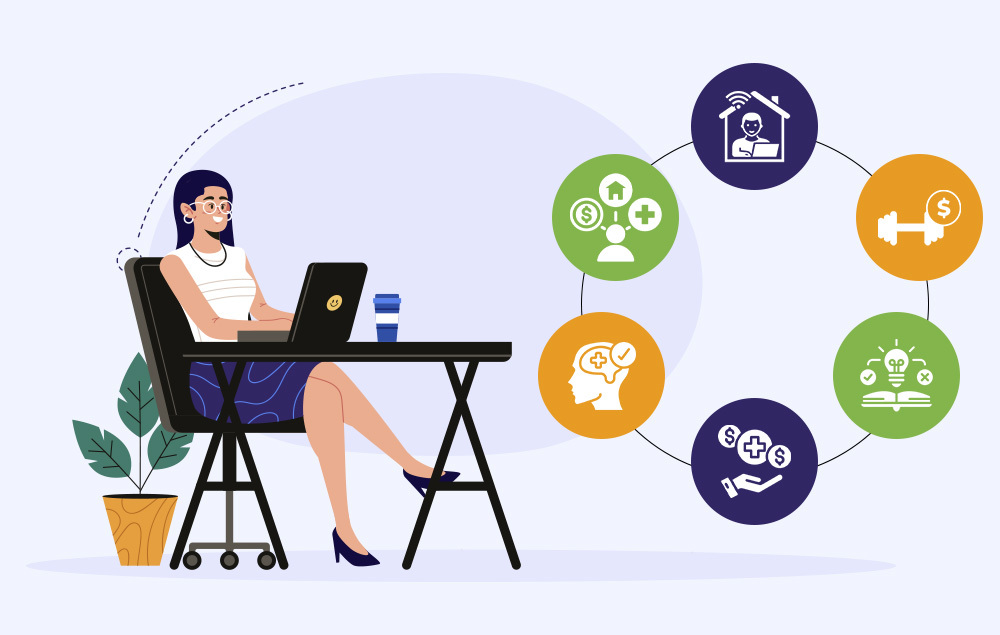
Employee benefits are changing. Employees no longer look at healthcare, insurance, rewards and everyday savings as completely separate offerings. They want benefits that address their needs in ways that are practical, accessible and relevant to their lives.
A survey on employee benefits found that 92% of employees considered health benefits important, while only 47% felt their employer’s benefits matched their specific needs. This shows that the benefits employees want are not always the ones they receive from their employers.
For HR leaders, this raises an important question: are benefits designed around what employees need, or are they simply a collection of programmes offered by the organisation?
This is where employee wellness is evolving. Rather than treating it as a standalone initiative, companies are beginning to consider how everyday benefits can support employees’ health, financial security and overall well-being.
Why Wellness Can No Longer Be Treated as a Separate Benefit?
Traditionally, workplace wellness has often been associated with health check-ups, fitness challenges, mental health sessions or annual wellness activities. While these initiatives have their place, they may not address the full range of challenges employees experience.
An employee might have access to a wellness session but still struggle to find affordable healthcare. Another might appreciate a health check-up but need financial support during an unexpected medical situation. Someone else may value the flexibility to manage personal responsibilities alongside work.
These needs do not exist in isolation, and employee benefits should reflect that.
A more integrated approach brings different forms of support together, making it easier for employees to access help when they need it. It also encourages organisations to look beyond participation numbers and consider whether their benefits are genuinely useful.
The shift is not about replacing existing wellness initiatives. It is about connecting them with the wider experiences.
What Does a More Holistic Approach to Employee Wellness Look Like?
A meaningful employee wellness programme should consider the different ways an organisation can support its workforce. This goes beyond physical health to include protection, financial well-being, everyday convenience and feeling valued at work.
- Making Healthcare More Accessible
Access to healthcare is one of the most direct ways companies can support employee well-being.
However, employees may postpone consultations because of busy schedules, difficulty finding a doctor or concerns about the cost of routine healthcare. Benefits that make medical support easier to access can help reduce some of these barriers.
For example, free doctor teleconsultations allow employees to seek medical guidance without always needing to travel to a clinic. Free health check-ups can also encourage preventive care, helping employees pay attention to their health rather than waiting until a concern becomes more serious.
The objective is to make healthcare a practical part of the employee experience, rather than something employees engage with only during a scheduled corporate wellness activity.
- Providing Protection Beyond Routine Healthcare
Well-being also involves feeling financially secure when unexpected situations arise.
Medical emergencies, accidents and vehicle breakdowns can create stress that extends beyond the immediate problem. Having access to relevant protection and assistance can help employees navigate some of these situations with greater confidence.
Benefits such as personal accident insurance and roadside assistance extend support beyond the workplace and routine healthcare.
For HR teams, this presents an opportunity to think about employee benefits programmes more broadly. Instead of focusing only on what employees can use during working hours, organisations can consider what support may be valuable in their everyday lives.
- Making Everyday Savings Part of the Benefits Experience
The value of an employee benefit is not determined only by its monetary worth. Its usefulness and accessibility also matter.
Pharmacy discounts and savings on everyday essentials can help employees access practical value through purchases they already make. Unlike benefits that employees may use only occasionally, these offerings can become relevant across different stages of their lives.
This is particularly important when employees have different financial responsibilities, household needs and spending priorities.
An effective benefits strategy should therefore consider both significant life events and everyday expenses. When employees can easily understand and use the benefits available to them, the programme becomes more relevant to their needs.
- Connecting Wellness with Recognition
Employee well-being is also influenced by the workplace environment and how people feel about their contributions.
Recognition plays a role here. When employees feel their efforts are noticed and appreciated, it can help create a stronger sense of belonging and connection with the organisation.
Recognition and wellness serve different purposes, but they do not need to operate independently. Companies can maintain their recognition programmes while building a broader benefits experience that also addresses healthcare, protection and everyday needs.
The important consideration is to avoid treating rewards as a substitute for employee well-being. Recognition acknowledges contributions, while wellness benefits provide practical support. Together, they can contribute to a more thoughtful employee experience.
How HR Teams Can Build a More Connected Benefits Strategy
Moving towards a holistic employee wellness approach does not necessarily require companies to introduce an entirely new benefits framework. In many cases, the first step is to evaluate existing offerings and identify where they can work better together.
Here are four areas HR leaders can focus on.
- Understand what employees actually need
Employee surveys, feedback sessions and benefits usage data can help HR teams identify which benefits employees value and where gaps remain. Needs may vary across age groups, locations, family responsibilities and career stages, so assumptions should be tested against employee feedback.
- Make benefits easier to access
A benefit is less useful when employees do not know it exists or find it difficult to use. Clear communication, simple access and an easy-to-understand benefits experience can help employees make better use of available support.
- Bring complementary benefits together
Healthcare, insurance, everyday savings and recognition can address different employee needs. Organisations should explore how these offerings can complement one another rather than creating disconnected programmes that employees struggle to navigate.
- Measure more than participation
Attendance at a wellness event or the number of employees enrolled in a programme can indicate engagement, but these metrics do not tell the entire story. HR teams should also consider awareness, accessibility, utilisation, employee feedback and whether the benefits remain relevant over time.
The aim is to create a benefits strategy that evolves with employees’ needs instead of relying on the same offerings year after year.
How Benepik’s Bundle of Joy Brings Wellness and Protection Together
Building a connected benefits experience requires more than adding another initiative to an already long list of employee offerings. It requires bringing relevant services together in a way that employees can understand and access.
Benepik’s Bundle of Joy takes this approach by combining Rewards, Wellness and Protection in one offering. It is designed to complement existing employee rewards programmes while extending support to other areas of everyday life.
The offering includes:
- Free doctor teleconsultation to help employees access medical guidance.
- Pharmacy discounts to provide savings on eligible pharmacy purchases.
- Free health check-ups to encourage employees to pay attention to their health.
- Personal accident insurance to provide an additional layer of protection.
- Roadside assistance for support during unexpected vehicle-related situations.
- Exclusive discounts on everyday essentials to provide practical value beyond the workplace.
Together, these services help organisations look at employee wellness benefits from a wider perspective. Recognition and rewards remain important, but employees can also access services that support their health, protection and everyday needs.
For HR leaders, the value lies in bringing these complementary elements into the broader employee benefits, rather than treating wellness as a separate annual activity.
The Future of Employee Benefits Is About Relevance
Employee expectations will continue to evolve, and organisations will need to assess whether their benefits remain useful to the people they are designed for.
A comprehensive benefits strategy does not have to mean offering every possible benefit. It means understanding employee needs, selecting relevant offerings and making sure employees can access the support available to them.
For some employees, healthcare access may be a priority. For others, financial protection or everyday savings may matter more at a particular stage of life. A connected approach recognises these differences and makes room for more than one definition of well-being.
Ultimately, wellness should not be something employees encounter only during a dedicated campaign or an occasional corporate initiative. It should be reflected in the support they receive throughout their employee journey.
Because employee well-being is not a single benefit. It is the combined value of the support an organisation provides.
Explore Benepik’s Bundle of Joy to see how rewards, wellness and protection can come together in one platform experience.
Let Us Connect