

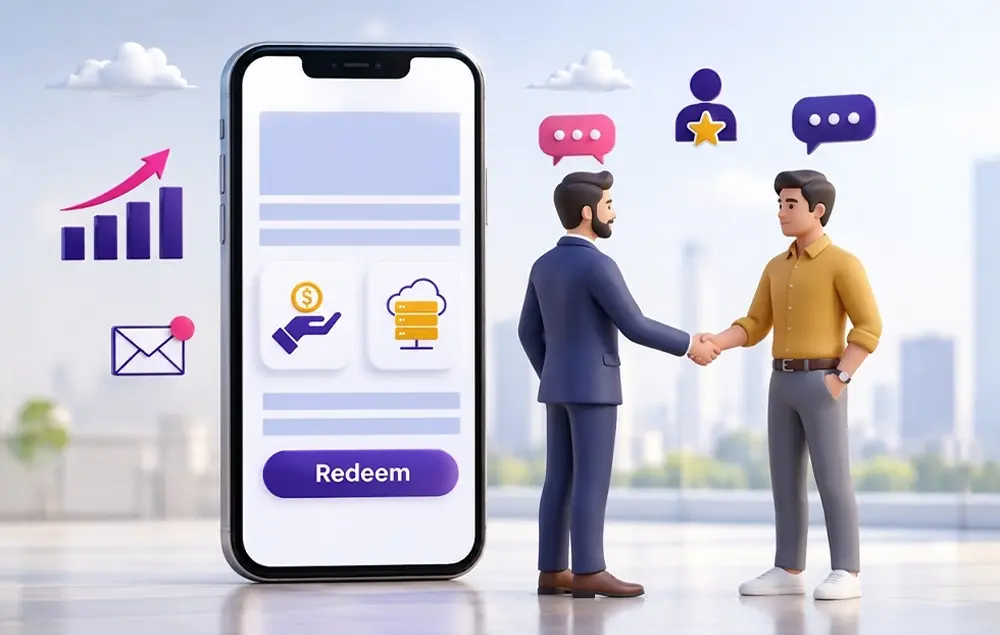
A company can have a good product and price that compete well and a strong sales team. When that product gets to customers through dealers, distributors, retailers or other channel partners another factor can influence sales. That factor is how much the channel partners decide to sell the product.
Channel partners usually work with brands at once. They have their sales goals, customer relationships and business priorities. Giving an incentive alone may not always keep channel partners engaged.
This is where a channel partner loyalty program can help. It gives a business a way to recognise partner performance give useful rewards and motivate channel partners to stay involved with the brand.
Managing these programs can become hard when a business has many channel partners spread across locations. Manually tracking sales, computing rewards and keeping everyone updated can take a time. Digital tools are changing how companies do these tasks making programs easier to run and giving channel partners a view of their progress.
In this blog we will look at how digital change’s affecting channel loyalty programs the trends in channel loyalty that businesses should watch and the different ways companies can build stronger relationships, with their channel partners.
What Is a Channel Partner Loyalty Program?
A Channel Partner Loyalty Program is a system that lets businesses recognise and reward dealers, distributors, retailers, resellers and other partners who help sell their products or services.
The idea is simple: when partners help grow the business the company gives them reasons to keep working toward shared goals.
For example, a consumer electronics brand may reward retailers for reaching sales targets. A building materials company might give points to contractors and dealers for buying products. A manufacturer could also offer benefits to partners who finish product training or always meet their targets.
The rewards can differ based on the business and its partners. They may include points, gift cards, digital vouchers, merchandise, cash incentives or special experiences.
A successful Channel Partner Loyalty Program does more, than hand out rewards. It sets rules offers partners a fair way to earn incentives and helps businesses see which activities drive sales.
Understanding these differences helps businesses pick the types of Channel Partner Loyalty Program for their partner network.
Why Are Businesses Moving Towards Digital Channel Loyalty Programs?
Many companies begin their loyalty programs using spreadsheets, manual calculations and regular calls or messages to partners. This can work when the network is small. As the business grows, keeping track of every partner becomes more complicated.
Consider a company that works with 500 retailers in cities. Its team must record purchases, calculate incentives, answer reward?related questions and ensure partners receive updates on time. If most of this work is manual, errors and delays become harder to avoid.
Digital channel loyalty programs help bring these activities. Here is how they can make a difference.
1. Less manual work for the team
Sales data, incentive calculations, partner records and reward distribution can be managed through a platform depending on the systems being used.
This cuts the need to update spreadsheets or calculate each incentive separately. It also gives the team time to focus on partner relationships and loyalty program performance.
2. Clearer information for partners
Partners should not have to contact a sales representative every time they want to know how close they are to a target or whether their rewards have been credited.
A digital channel loyalty program can give them access to their performance earned points, incentive progress and redemption options. When the information is easy to find partners can understand what they need to do to earn their reward.
3. Faster. Reward delivery
A loyalty program loses some of its value when partners hear about a campaign late or wait long for their rewards.
Digital channel loyalty programs can help businesses send updates share campaign details notify partners about milestones and process eligible rewards faster. The exact process depends on the platform and the company’s existing systems.
4. Better visibility, into program performance
Businesses need to know whether their loyalty initiatives are producing results. Digital reporting can help teams track participation sales performance, reward redemption and other relevant measures.
Instead of relying only on end-of-month reports, managers can use available data to identify gaps and adjust campaigns when needed.
6 Channel Loyalty Trends Shaping Digital Transformation
Technology is changing not just how loyalty programs are managed, but also what partners expect from them. These are six developments businesses should consider when planning their programs.
1. Rewards based on partner performance
Not every partner contributes to a business in the same way. Some generate higher sales volumes, while others consistently meet targets, introduce new customers, or expand the brand’s reach in a particular market.
Businesses can use available sales and engagement data to make their incentives more relevant. For example, a campaign might reward partners for achieving monthly targets, selling a specific product range, or improving performance over a previous period.
Personalisation does not always mean creating a separate program for every partner. Sometimes, offering different targets or reward options to relevant partner groups is enough.
2. Automated incentive calculations
Incentive programs often involve several conditions, such as sales targets, product categories, purchase volumes, or campaign periods. Calculating rewards manually can become difficult when these conditions change across campaigns.
Automation helps businesses apply predefined rules to eligible transactions and calculate incentives consistently.
For example, a distributor who crosses a specified sales threshold could qualify for an additional reward. A digital system can help track progress against that threshold and calculate the incentive according to the campaign rules.
3. Mobile-first access and WhatsApp communication
Channel partners are not always sitting at a desk. Retailers may be serving customers, distributors may be travelling between locations, and field teams may be working across different territories.
A loyalty program that requires partners to log in to a complicated portal may see lower participation simply because it is inconvenient to use.
Mobile-friendly platforms, app access, and communication through familiar channels can make it easier for partners to check campaign details and receive updates.
WhatsApp can also be useful for sharing announcements, reminders, and reward notifications where the platform supports it. Businesses should ensure that sensitive information is handled securely and that partners receive relevant, permission-based communication.
4. Gamification and short-term challenges
Long-term targets can sometimes feel distant, especially for partners who are still building their sales performance. Short-term challenges can give them smaller goals to work towards.
Businesses can introduce leaderboards, achievement badges, milestone rewards, or limited-period sales challenges. For example, a retailer who sells a certain number of eligible products within a campaign period may receive bonus points.
These features can make a program more engaging, but they should suit the audience. A leaderboard may motivate some partners while discouraging others who feel they have little chance of competing with larger dealers.
A mix of individual milestones and group challenges can help recognise different levels of contribution without making the program feel out of reach.
5. Product learning as part of loyalty
A partner can only sell a product confidently when they understand its features, uses, and advantages over alternatives.
This is particularly important in industries where products have technical specifications or where customers need help choosing the right option.
Businesses can include short training modules, product quizzes, demonstrations, and learning-based challenges in their loyalty programs. Partners may earn recognition or incentives for completing eligible activities.
For example, a company introducing a new product range could offer a short online training module followed by a product knowledge quiz. This gives partners a reason to learn about the launch before recommending the product to customers.
6. More choice in rewards
A reward that one partner values may not appeal to another. Some may prefer digital gift cards for everyday purchases, while others may value merchandise, direct monetary incentives, or experiences.
This is why reward choice is becoming an important consideration in program design.
Research and industry discussions around channel loyalty, highlight the importance of understanding what motivates different partner groups. Businesses should use their own partner feedback and program data to decide which options to offer rather than assume that everyone wants the same reward.
Offering a suitable range of rewards can make the program more relevant. It is equally important to keep redemption simple, explain any conditions clearly, and deliver rewards as promised.
What Are the Different Types of Channel Loyalty Programs?
There is no single format that works for every business. The right model depends on the sales cycle, partner network, business objectives, and the type of behaviour the company wants to encourage.
Here are some common types of channel loyalty program businesses can consider.
1. Points-based programs
Partners earn points for eligible purchases, sales, or other qualifying activities. They can later redeem those points for available rewards.
This model is relatively easy for partners to understand when the earning and redemption rules are clear.
2. Target-based incentive programs
Rewards are linked to specific business goals, such as reaching a monthly sales target, increasing product sales, or meeting a campaign objective.
These programs work well when businesses want to connect incentives to measurable outcomes.
3. Tier-based programs
Partners are grouped into levels based on their performance or engagement. Higher tiers may offer additional benefits, recognition, or reward opportunities.
The criteria should be achievable and transparent so that partners understand how they can progress.
How Benepik Helps Businesses Manage Channel Loyalty Programs
As partner networks grow, businesses often need a more organised way to manage campaigns, incentives, communication, and rewards. Benepik’s channel loyalty solution is designed to help businesses manage these activities through a digital platform.
Here are some of the areas businesses can explore.
Campaign and incentive management
Businesses can structure loyalty campaigns around defined objectives and partner eligibility. Depending on the program setup, incentive rules can be aligned with sales volumes, revenue targets, and other qualifying activities.
Automating parts of the process can reduce manual work and help teams manage campaigns more consistently.
Digital access for channel partners
A digital platform gives partners a way to access relevant program information and participate in loyalty activities. The experience should make it easy to understand campaign rules, follow progress, and check available rewards.
Reward options
Different partners may have different preferences. Benepik’s reward ecosystem can support reward-led programs using options such as gift cards, vouchers, merchandise, and other available rewards, depending on the program configuration.
Businesses can choose options that make sense for their partner audience and campaign objectives.
Reporting and performance visibility
Program reporting can help businesses review participation, campaign progress, and reward-related activity. These insights can support better decisions about future campaigns, incentive structures, and partner engagement.
A more structured partner experience
When campaign communication, incentive rules, and reward access are easier to manage, businesses can create a more consistent experience for partners across locations.
To understand how these capabilities could fit your partner network, explore Benepik’s Channel Loyalty solution.
Let Us Connect