
Loyalty Programs are not mechanical; it’s about building long-term relationships.
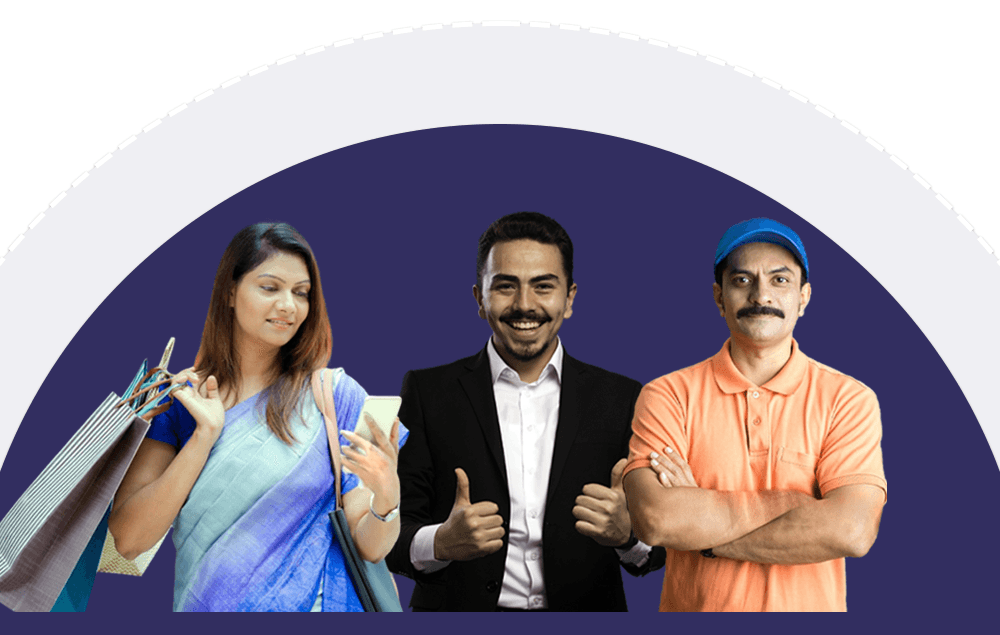
Imagine three people interacting with your business today:
A consumer choosing between your brand and a competitor.
A distributor deciding which product to actively promote.
A retailer evaluating which brand deserves better visibility in-store.
All three influence growth, but each is driven by very different motivations.
For decades, loyalty programs have continued to be mechanical, driven by the same old generic rewards: cash and points that no one redeems. But loyalty is purely experiential; it’s based on relevance, recognition, and value that feels tangible.
Loyalty programs that reward single touchpoints often fade away with time while the ones that engage at very point resonate with the audience to a larger extent. Now the loyalty markets demand strategies that go beyond the basic incentives. Whether you’re designing consumer loyalty programs, channel partner loyalty programs, or a comprehensive loyalty program, the core idea remains the same: loyalty must be built around behaviour, not just mechanics.
Loyalty initiatives should be multi-dimensional engaging all stakeholders be it Channel Partners, Influencers or consumers. This is where different types of loyalty programs come into play.
1. Customer Loyalty Programs: Turning Purchases into Preference
At its core, Customer Loyalty is not about the price or the product, it’s about value that a brand delivers. They are about initiatives and programs that don’t let your customers leave your brand, making them a long-term advocate of your brand. That is why the best customer loyalty programs go beyond discounts and points. They are designed to enhance engagement at every step of the journey.
What modern consumer loyalty programs focus on:
- Customized loyalty programs: beyond simple points systems, they adapt to customer behaviour and preferences.
- First-party data collection: enables brands to deliver more personalized, relevant, and seamless experiences based on the customers preferences and interactions.
- Gamification: spin-the-wheel, challenges, and badges to make loyalty fun.
- Multiple reward options: Gift cards are the new currency of rewarding, but consumers can also choose UPI transfers, direct cashbacks, or other reward formats, allowing them the flexibility to choose what they really want.
- Personalized offers: Instead of generic campaigns, brands can create targeted offers based on age groups, buying behaviours, or festive seasons, making every reward feel timely and meaningful.
Nike, one of the most beloved brands, elevates its consumer experience by building an ecosystem around participation through its apps, fitness challenges, member-exclusive access, and personalized recommendations. This is how they keep their customers engaged even when they are not making any purchases. They reward consistency and involvement, thus turning loyalty into an ongoing process rather than a one-time goal.
This is what strong consumer loyalty programs do: they build connections beyond the checkout, thus rewarding long-term preference and not just quick sales.
2. Channel Partner Loyalty Programs: Moving from Incentives to Advocacy
Brands today struggle to build a strong and consistent channel loyalty network. Distributors, resellers, and retailers often face challenges that brands sometimes fail to notice, like limited shelf space, multiple competing brands with the same margins, changing sales cycles, and more.
These are the reasons loyalty programs don’t often work the way they should. Incentives are not enough; partners need recognition, relevance, and a clear reason to choose one brand over the other.
Successful channel loyalty programs are designed to:
- Reward commitment and performance and not just volume.
- Support diversified partner types, from large distributors to individual retailers.
- Provide choice in loyalty rewards UPI payouts, gift cards, digital vouchers, electronics, merchandise, etc.
- Gamified engagements like leaderboards and contests motivate sustained engagement.
- Deliver real-time insights to keep track of performance, target vs achievement, and participation.
Brands like Hindustan Unilever strengthen their Channel Partner Loyalty by digitalising retailer engagement through their Shikhar app, where partners not just place orders, but can also track performance, and access exclusive incentives in one place. Through the app, retailers earn instant cashbacks, UPI Rewards, and get performance-based incentives for meeting targets. This continuous recognition and ease of doing business makes Hindustan Unilever a long-term preference across its vast distribution network.
Loyalty program rewards in the channel ecosystem must balance both monetary and non-monetary incentives, delivering motivation that feels meaningful, not transactional.
Why Running Multiple Loyalty Programs Matters
In today’s competitive ecosystem, running only one type of loyalty initiative, and also a generic one, is not enough.
Different audiences require different loyalty architectures:
- Consumers want personalized and gamified experiences.
- Channel partners want recognition, flexibility, and consistent value.
- Sales networks work best when they are engaged and motivated consistently, not just at the end.
Brands that thrive don’t run one loyalty program. They run multiple types of loyalty programs, each designed to influence specific behaviour, yet connected through insights and data.
This unified approach ensures:
- Cross-audience engagement: everyone feels valued in ways that matter to them.
- Data-backed personalization: backed by first-party data that fuels smarter campaigns.
- Consistent experiences: loyalty feels coherent across touchpoints.
- Stronger long-term business impact: loyalty drives repeat engagement, advocacy, and trust.
In other words, maturity in loyalty comes when programs shift from isolated campaigns to an ecosystem powered by shared intelligence.
What the Right Loyalty Platform Must Deliver
Designing effective loyalty programs is one part of the equation. Implementing and scaling them is another.
Modern loyalty programs demand a loyalty platform that can handle complexity without friction.
Whether you’re enabling customer loyalty or channel loyalty programs, the right loyalty platform must be capable of:
- Personalized campaign design that can be adjusted for different audiences as per their preferences.
- Real-time data and analytics into engagement, participation, and what exactly is driving ROI.
- Gamified engagement keeps loyalty fun, interactive, and engaging, and not just boring rewards.
- Scalable reward management allows for diverse redemption options, which gives the power of choice to the people.
Smart automation and segmentation to ensure the right rewards reach the right people at the right time.
Without a unified loyalty platform, even the best loyalty strategies struggle to deliver consistent experiences at scale.
A modern loyalty platform ensures your loyalty programs are flexible, measurable, and growth ready.
Conclusion
Loyalty platforms work the best when they are designed around people and not just programs. Different audiences require different loyalty strategies through an ecosystem that keeps the experience consistent and relevant. The right loyalty platform can help brands move beyond rewards and build long-term loyalty that drives growth.
Let Us Connect