

Let’s start with something familiar.
You order from a small, homegrown skincare brand online. A few days later, your package arrives, along with a small note:
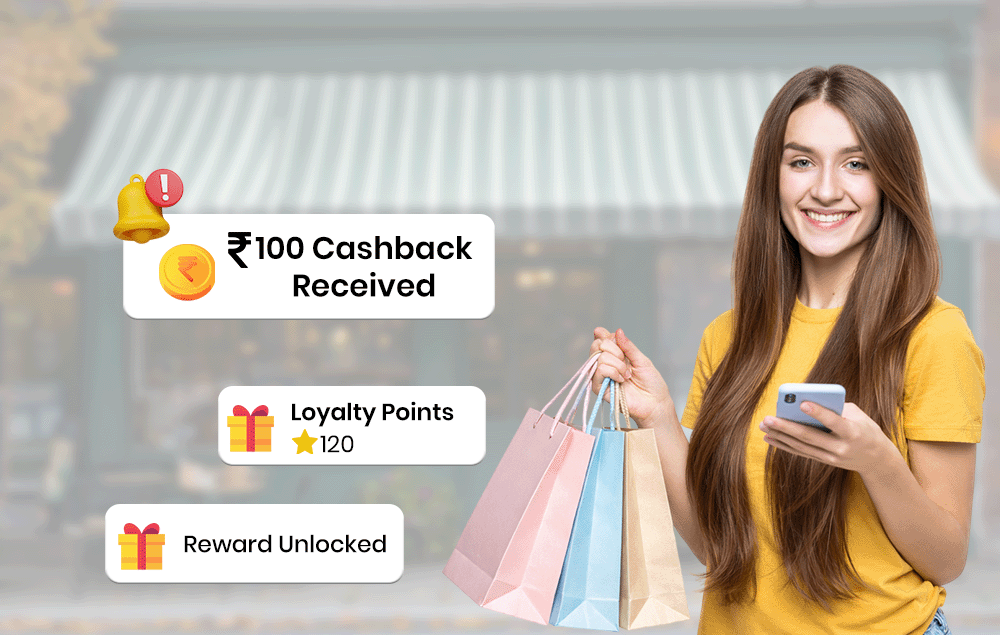
“You’ve earned ?100 cashback on your next purchase.”
No complicated steps. No waiting. Just an immediate reason to come back.
This single moment defined customer loyalty in action.
Now zoom out.
Customers today have more choices than ever before, and their loyalty is often shaped by the experiences that the brands create for them. The moment a better offer, faster reward, or a more engaging interaction comes, they tend to explore them.
For small businesses, it has a strong cost impact because acquiring new customers is always more expensive than retaining the ones you already have. While customer acquisition remains one of the biggest challenges for small businesses. The real opportunity lies in maximizing the value of existing customers. With high intent, familiarity and trust, they have the potential to become a powerful and sustainable growth engine.
This is exactly where Customer Loyalty Programs for Small Businesses come in.
Not as a “nice-to-have,” but as a powerful growth strategy that drives repeat purchases, builds emotional connection, and turns everyday buyers into long-term advocates.
Why Customer Loyalty Programs for Small Businesses Matter
Customer Loyalty Programs for Small Businesses are not just about points; they are designed to drive customer retention, build stronger relationships, and create long-term value. This is why Customer Loyalty plays a crucial role for small businesses:
- Helps in Driving Repeat Purchases (Consistently): Most businesses survive on repeat customers, not one-time buyers. In fact, a significant portion of revenue comes from customers who keep coming back.
A well-designed loyalty program gives customers a clear reason to return- whether it’s earning rewards, unlocking benefits, or simply coming back for the ‘free’ coffee which they were promised on their 8th purchase.
- Helps Compete Without Lowering Prices: With increasing competition, not every brand can compete on pricing. However, small businesses can always gain a competitive edge through well-designed Customer Loyalty Programs for Small Businesses.
Instead of just relying on discounts, focus should be on creating personalised and meaningful experiences for customers. Loyalty programs help small businesses to reward customers in ways that are thoughtful rather than transactional.
- Turn data into Better Decisions: Every interaction within a customer loyalty program generates valuable insights, from purchase patterns to customer behaviour and demographics which helps businesses build a deeper understanding of their audience. These insights help small businesses to move beyond assumptions and make informed decisions, whether its refining reward strategies, personalizing offers, or enhancing the overall customer experience
- Drive Organic Growth through Customer Advocacy: Loyal customers naturally become brand advocates, recommending your business, bringing in new customers, and sharing positive experiences. When this behaviour is encouraged through referral program or exclusive rewards, it transforms from word of mouth into a structured and scalable growth engine.
For small and medium businesses (SMEs), loyalty programs are not just engagement tools, they directly impact repeat purchase behaviour, customer lifetime value, and overall revenue stability.
Best Customer Loyalty Programs for Small Businesses
There’s no one-size-fits-all model. The best programs are the ones that align with how your customers already behave.
- Cashback Programs: Instant gratification works the best to keep your customers coming back. The moment they receive the cashback; the next purchase is already on their mind. No confusion, just a clear value that pulls them back.
- Points-Based Programs: Customers earn points with every purchase, which can later be redeemed for rewards. This model works best when the earning and redemption process is simple and transparent, ensuring customers clearly understand the value they are receiving.
- Tiered Programs: Customers unlock better rewards as they spend more. This taps into a basic human instinct, progression. People are naturally motivated to “reach the next level,” increasing both frequency and spend.
- Referral Programs: Customers are rewarded for referring new customers. Since these recommendations come from trusted sources, they convert at a much higher rate than traditional marketing channels. Referral programs not only drive acquisition but also strengthen existing customer relationships.
- VIP / Membership Programs: When the customers feel that they are a part of something exclusive, the relationship shifts from being transactional to emotional. VIP programs don’t just offer rewards, but access to early drops, priority service or perks that others don’t get.
What Most Loyalty Programs Get Wrong
Here’s the uncomfortable truth.
Most loyalty programs fail, not because the idea is bad, but because the execution is.
They are too complicated; Too delayed; Or simply not exciting enough.
Customers don’t want to “figure out” your program.
They want to feel rewarded instantly.
The best loyalty programs focus on experience over structure:
- Rewards should feel quick and achievable
- The journey should be effortless
- And every interaction should feel intentional
Every moment in the customers journey should feel fulfilling and rewarding.
Creative Loyalty Ideas That Actually Drive Engagement
If you want your program to stand out, you need to go beyond basic discounts.
Gamify the Experience
Introduce challenges like:
“Shop 3 times this month and unlock double rewards.”
This creates urgency and increases purchase frequency.
Celebrate Customer Moments
Birthday rewards, anniversary perks, or frequent buyer-based benefits make customers feel seen, not just sold to.
Introduce Surprise Rewards
Unexpected rewards create a stronger emotional impact than predictable ones.
A small surprise like a freebie or a bonus reward can turn a regular customer into a loyal advocate.
Align with Customer Values
Offer rewards linked to causes like donations, sustainability perks, or community initiatives.
Today’s customers don’t just buy products; they support brands that reflect their values.
How to Know If Your Loyalty Program Is Working
Launching a Loyalty program is easy but evaluating whether it actually works is where many businesses fall short in.
Focus on three key signals:
- Retention Rate: Are customers coming back more often?
- Redemption Rate: Are customers using the rewards?
- Customer Feedback: Do they value the experience?
If these metrics improve, your program is doing its job.
If not, it’s time to simplify, rethink, and optimize.
How Benepik helps Small Businesses scale Loyalty Programs
For small businesses, loyalty programs often start simple but scaling them effectively is where the real opportunity lies. As customer expectations evolve, businesses need to move beyond basic rewards and create experiences that are seamless, engaging, and personalized at every touchpoint. Benepik helps bridge the gap by enabling structured, scalable customer loyalty programs without added complexity.
With features like QR-based “Scan & Earn,” instant cashback, and bill upload rewards, businesses can deliver instant gratification at the point of purchase, making participation effortless for customers. Combined with Refer & earn programs, gamified engagements like scratch cards, spin-the-wheel, and tiered segmentation, brands can create more engaging and personalised journeys. Additionally, a diverse reward catalogue ranging from gift cards to experiences allows redemption flexibility while built in data insights help businesses continuously refine their strategy. The result is a loyalty program that not only drives repeat purchases but also builds stronger customer relationships and long-term growth.
Conclusion
Customer loyalty today goes beyond points and discounts. It is about creating consistent reasons for customers to return.
For growing brands, Customer Loyalty Programs for Small Businesses act as a key growth engine by improving retention, increasing repeat purchases, and strengthening long-term customer relationships.
Let Us Connect