
When it comes to rewards and loyalty trends, India will see over the next few years, one thing is clear: the landscape is entering a new phase.
For years, the reward programmes followed the same old formula; earn points, reach a tier level, redeem a gift and so on. That model still has a place but the expectations around them are constantly evolving and changing. Employees want recognition that feels instant and relevant. Channel partners expect incentives to be more flexible. Customers are increasingly looking for experiences, convenience and genuine value which are beyond discounts.
This is where the next chapter of rewards and loyalty trends in India is taking place.
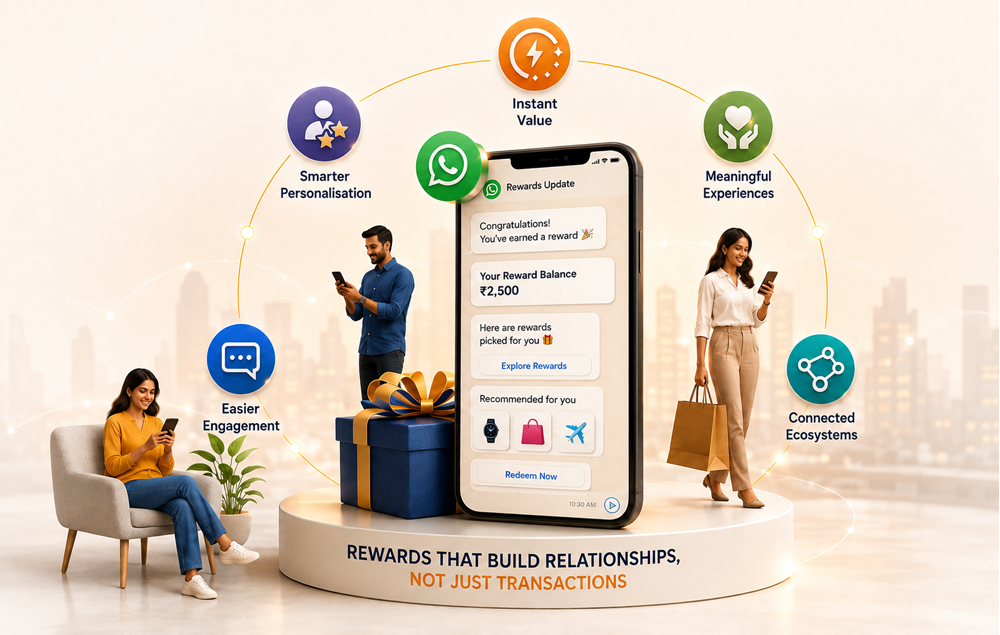
Digital payments have made instant gratification a part of everyday life. Personalisation has changed what people expect from brands. Platforms such as WhatsApp have become natural engagement channels, while increasingly connected digital ecosystems are making it easier to deliver value across touchpoints.
At Benepik, what we have observed is that these developments point towards a broader shift: the future of engagement will not be defined simply by what organisations reward, but by how meaningfully, immediately and intelligently they create value for the people they want to engage.
Here are the five shifts that we believe will shape Employee, Channel Partner and Customer Engagement through 2030.
1. From Points & Payouts to Instant Meaningful Value
The first shift is already underway: the distance is getting short between an action and its reward. India’s digital economy has fundamentally changed expectations around speed. UPI has made instant payments almost second nature, and the emerging UPI instant payouts trend is influencing expectations beyond transactions themselves. When money can move instantly, waiting days for an incentive, recognition reward or cashback can increasingly feel unnecessary.
By 2030, the most effective reward programmes are likely to be designed around immediacy and choice, rather than accumulation alone.
For Employees, this means that appreciation is delivered right at the moment, rather than weeks later through a formal rewards cycle.
For Channel Partners, it could mean faster incentive settlements, milestone-based rewards and greater visibility into what they have earned.
For Consumers, it means instant cashbacks, benefits or access triggered by their interaction or purchase.
One also needs to keep in mind that speed alone is not enough, the value also needs to be meaningful.
A rewards catalogue with a wide range of options can create greater value because it gives recipients the freedom to choose what works for them. But as choices increases, so does the need for relevance and easy discovery. The real opportunity, therefore, is not to offer fewer rewards, but to make a broader range of rewards easier to access and more relevant to individual preferences.
This is where smarter rewards ecosystems can make a difference. Instead of presenting everyone with the same set of options, organisations can increasingly use preferences, behaviour and context to surface rewards that are more likely to resonate- while keeping the freedom of choice intact.
In other words, the future is not about more rewards versus relevant rewards. It is about more choice, made more meaningful.
2. From Generic Rewards to Smarter Personalisation
Personalisation is becoming an increasingly important part of the rewards experience. As organisations have access to richer behavioural data and more sophisticated AI capabilities, they can move beyond offering the same rewards to everyone and create experiences that are more relevant to individual preferences and contexts.
For example, an employee who regularly chooses wellness benefits may be more inclined towards a fitness experience or health focused reward, while another may focus more on shopping, travel or entertainment. Similarly, a Channel partner who consistently responds to experiential incentives will value concert tickets or premium value experiences over traditional merchandise. For consumers, purchase behaviour and preferences can help brands surface offers and rewards that feel more relevant than generic discounts.
This is especially relevant when thinking about the future of employee rewards, where the focus is shifting towards creating experiences that reflect individual preferences and needs.
The next evolution is not about using AI just because its available but using the data intelligently to make choice more meaningful. Instead of overwhelming people with every option available, reward platforms can help show individuals relevant possibilities while giving them the freedom to choose and explore for themselves.
This is particularly important as reward ecosystems become larger and more diverse. Personalisation should not reduce choice; it should make a wider world of choice easier to navigate.
Hot Take: Don’t take away choice in the name of Personalization. Use technology to make choice easier and relevant to make.
3. From Transactional Rewards to Experiences, Purpose and Belonging
Traditionally, rewards are viewed as the end of an action: Complete a task, make a purchase or achieve a target, and receive something in return.
Engagement is now becoming more emotional.
People increasingly associate brands and organisations with the experiences they create around the transaction. Recognition, exclusivity, wellness, learning, entertainment and social impact can all contribute to how valuable a relationship feels.
For Employees, that could mean moving beyond annual gifts and milestone rewards towards experiences that support wellbeing, growth and a sense of appreciation.
For Channel Partners, loyalty can extend beyond sales incentives to recognition, exclusive experiences, communities and opportunities to engage more deeply with the brand.
For Consumers, loyalty can evolve beyond “buy more, get more” towards access, experiences and benefits that make the relationship feel more rewarding.
Purpose can become an integral part of the reward experience. As people become more and more conscious of the brands and organizations that they engage with, rewards can also go beyond personal benefits and create opportunities to support causes and make more responsible choices.
At the same time, the idea of value is also evolving. Rewards are no longer just limited to gifts or vouchers; they can also include benefits that support different aspects of a person’s everyday life. Benepik’s Bundle of Joy does exactly the same by bring together rewards with health, wellness, protection and everyday benefits in one experience. This makes the rewards more holistic and deeply woven into the individual’s life.
The shows a shift from transactional loyalty to relational loyalty.
The strongest programmes will not simply answer, “What will you give me?” They will create an experience that makes people feel, “There is value in being part of this ecosystem.”
By 2030, rewards will increasingly be about creating meaningful experiences and building stronger relationships- not just completing a transaction.
4. From Apps and Portals to Frictionless, Conversational Engagement
Digital experiences have changed what people expect from brands and organisations. People want things to be quick, simple and easy to access and rewards should be no different.
No one wants to navigate multiple screens just to check a reward balance, find a voucher or know what they have earned. As people increasingly use messaging platforms for everyday interactions, rewards will need to become just as easy to access.
This is where a WhatsApp-based rewards platform can make a real difference. Instead of asking users to navigate a separate platform for every action, organisations can bring reward updates, redemption options and personalised recommendations to a channel people already use every day.
For Employees, this can make recognition and rewards easier to use and share.
For Channel Partners, it can simplify incentive updates, milestone communication and reward access.
For Consumers, it can make loyalty benefits more immediate and convenient.
The shift is also being supported by India’s aggressively growing payment ecosystem. As UPI and digital wallets make everyday transactions faster, people will increasingly expect the same level of convenience from their reward experiences.
By 2030, we believe the best reward programmes will be the ones that fit naturally into people’s everyday digital lives, rather than making people go out of their way to engage with them.
Because ultimately, a reward is more valuable when it is not only relevant, but also easy to access.
5. From Reactive to Predictive: The Next Era of Rewards & Loyalty
Rewards & Loyalty programmes have always generated data likewhat people have earned, what they have actually redeemed, how often they participated and which incentives performed the best. The next opportunity is to use the data to look ahead on what can be done more and better.
By 2030, predictive analytics will help organisations identify patterns in engagement and understand what those patterns could mean for future behaviour. Instead of waiting for participation to drop or a customer to disengage, businesses can use programme data to spot early signals and decide what action to take next.
For HRs , this could mean identifying which recognition formats, benefits or incentives are driving stronger participation across different employee groups. For channel partners, changes in performance, participation or incentive preferences could help businesses identify when a partner may need a different engagement approach. This is where the channel partner loyalty trends in 2030 will increasingly become data-led- with organisations using insights to make better decisions around incentives, communication and partner relationships.
For consumers, behavioural data can help brands understand purchasing patterns, engagement frequency and response to previous offers. Instead of simply rewarding the last transaction, loyalty programmes can use these insights to determine what kind of engagement is likely to work next.
The role of AI here is not to predict every move of the individual but to turn large amounts of programme data into useful business insights- helping organizations understand what is changing, where engagement is weakening and where there may be an opportunity to strengthen the relationship.
That creates a fundamental shift in how rewards programmes are managed: from reporting what happened to understanding what to do next.
In 2030, the ability to learn from every interaction could become one of the biggest differentiators between reward programme that simply operates and one that continuously improves.
What will Winning Loyalty looks like in 2030?
Looking ahead, the organisations that lead in rewards and loyalty will not necessarily be the ones offering the largest rewards catalogue.
They will be the ones that understand what their stakeholders value and remove the friction between action, recognition and value.
The five shifts point towards a common direction:
- Immediate & Meaningful Value
- Smarter Personalisation
- Experiences, Purpose & Belonging
- Easier, Everyday Engagement
- Predictive Analytics & Insights
For employees, this means rewards that feel more personal and recognition that feels timelier.
For Channel Partners, it means incentives that go beyond transactions to build stronger, more enduring relationships.
For Consumers, it means loyalty experiences that offer relevance, convenience and reasons to return beyond a simple discount.
And for organisations, it means rethinking loyalty not as a standalone programme, but as an important part of the broader relationship they build with their ecosystem.
Building for 2030 Starts Today!
There is still time for 2030 but the foundations of this future are already visible across India.
UPI has changed expectations around immediacy. Digital platforms have changed expectations around convenience. Data and AI are changing expectations around relevance. And Consumers, Employees and Channel Partners are increasingly looking for experiences that offer more than a transactional exchange.
The next generation of loyalty will be shaped by these expectations.
At Benepik, we see the opportunity as moving beyond the traditional question of “What reward should we give?” to a more fundamental one:
“What kind of relationship are we trying to build?”
This is ultimately what will define the future of Rewards & Loyalty trends in India.
Because by 2030, the organisations that create lasting engagement will not simply be the ones that reward people well.
They will be the ones that give people more meaningful reasons to stay connected.
Let Us Connect